
Ritual is a Creature
to remind us that we are not the centre

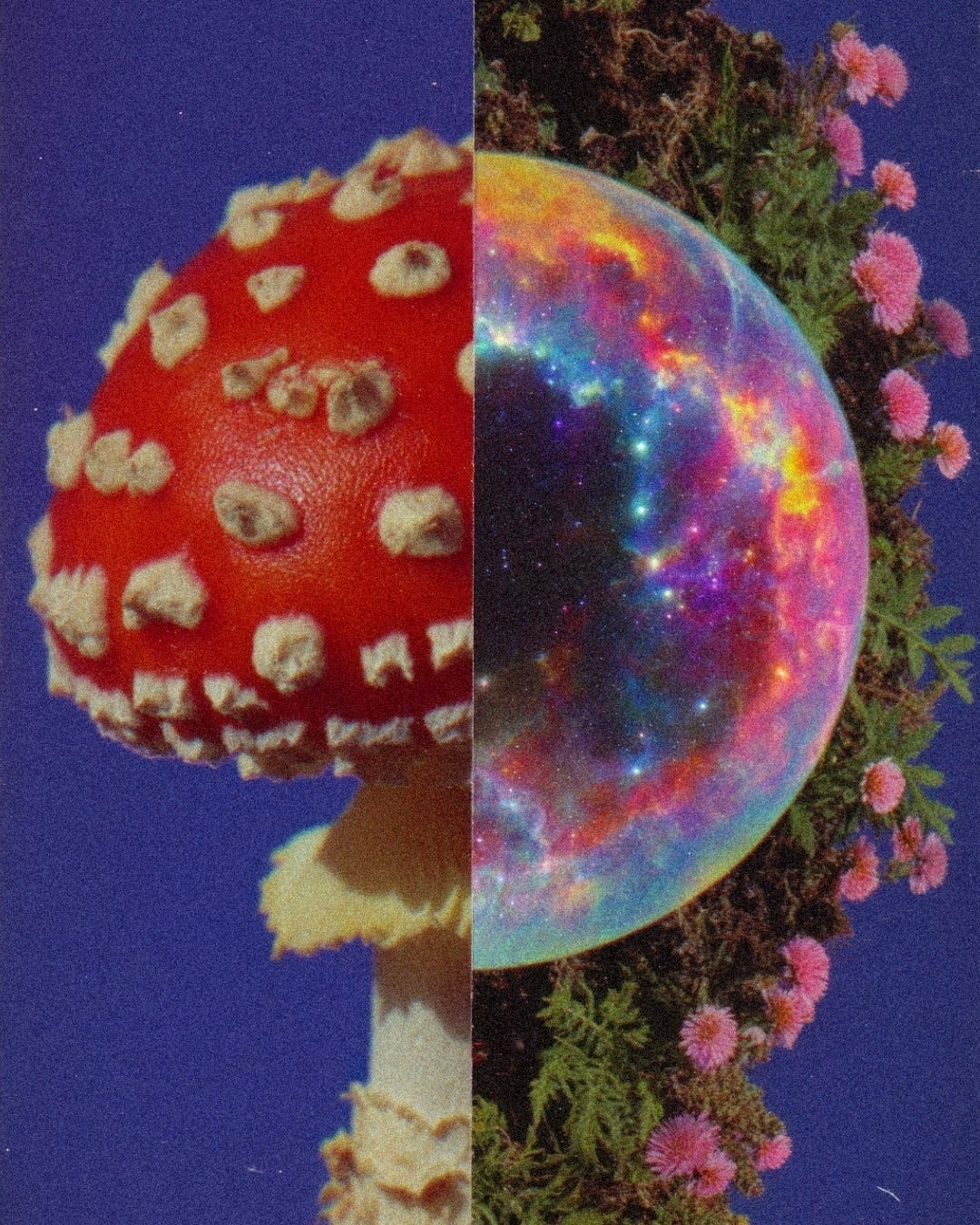
Now, if ritual is a contextual, living, mutable, situated creature, then it is not a matter of repeating inherited forms as if they were fixed formulas, but of listening to the relational field and allowing it to ask for the form it needs. Here are some ideas/notes for cultivating involvement with living ritual, especially from modern, urban bodies marked by uprooting:
Listen before form
Before performing a ritual, ask: what is alive here? Living ritual is born from living webs, a pain, a desire, a tension, a pulsing memory. You don’t create a ritual like you draw a plan. One listens as if tuning into ecology.
Rhythms, not recipes
Living ritual is not literal repetition, it is rhythm. It may contain simple gestures, lighting a candle, offering water, walking in silence; what matters is the rhythm of presence, not the choreography of form.
Decompose the performative
Modern rituals often stumble into performance: the fear of ‘doing wrong’ or the attempt to imitate ‘sacred’ forms. Decompose, digest, dissolve this. A living ritual does not need to look ceremonial; it can be dirty, banal, silent, strange, or shy. It can be done with recycled rubbish. It can happen in the break between emails.
Materials from the place
Living rituals do not need imported ‘sacred’ objects. Hold what the context offers: stones from the street, fallen leaves, sounds of the city, sea rubbish, words heard on a bus. To ritualise is to give meaning and gesture to things that the modern world says are banal.
Rituals of unlearning
Instead of just rituals to ‘do,’ propose rituals to undo: undo haste, undo colonial habits, undo certainties. A ritual can be sitting quietly in a square without a phone. It can be writing down the names of the systems that inhabit us... and then burying them in the earth or releasing them to the wind. Shouting is also a great ritual.
Ritually intimate, not visibly solemn
The ritual does not need to be solemn or visible. It can be a secret gesture between you and the non-human. It can be a conversation with the river (even, especially if it is polluted). It can be asking forgiveness from the tree on the street where you never looked up.
Repetition with attention, not automatically
Rituals gain strength through repetition, but not as an unconscious habit. Like a dance that repeats itself with variation. They serve to remind us that we are not the centre.
Rituals of interruption
In a culture that venerates productivity, performing a ritual can be an interruption of the algorithm: stopping in the middle of scrolling to breathe and touch the ground. Performing a ritual to honour wasted time, failure, and generously praise the not knowing.
Ritual as a question, not as an answer
A living ritual does not close, it opens. It does not serve to ‘solve’, but to gestate questions. A good ritual ends with more silence than it began with. It touches on the living mystery.
its the way to give living meaning, I wrote a similar post
https://open.substack.com/pub/tararoka/p/making-the-unconscious-conscious?utm_campaign=post-expanded-share&utm_medium=post%20viewer
Love this, ritual as emergent and attuned and alive and natural…