
Tamed Muses

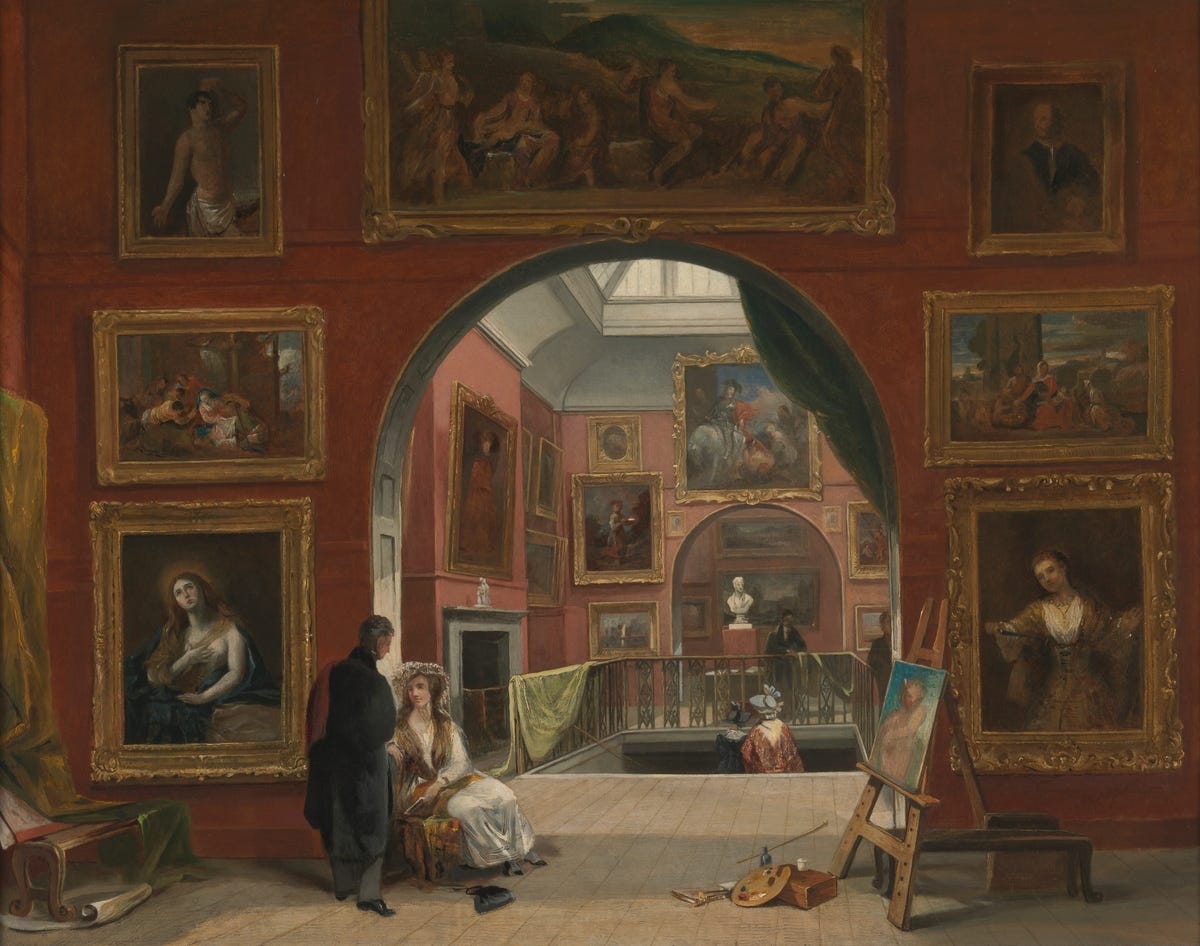
In the cold corridors of European museums, where reverent silence is mistaken for neutrality, lie bodies and artifacts forcibly removed, living objects transformed into dead evidence of a self-proclaimed civilizing power. The decolonization of museums is not just a debate about restitution or corrected labels. It is a radical ethical question that demands institutional recognition of structural theft and the violent narratives that continue to sustain European museum prestige.
As a postgraduate in museology and heritage, I recognize the paradox of caring for objects whose very presence was built on the denial of care for their worlds of origin. This is where heritage reveals itself as a paradox, and gestures of conservation can simultaneously be gestures of erasure.
But let’s go deeper, to the very etymology of the word museum. Derived from the Greek mouseion, “temple of the muses,” the word carries a tragic irony: the space that was once sacred and alive, dedicated to the muses of song, memory, dance, and plural inspiration, has become a vault where knowledge is confined. The muses have been domesticated, and inspiration separated from the body and song, from ritual and place, from territory and time. A mouseion outside its living place is already an act of exile, a separation from poetry, from relationship, and from context. Modern museology thus inherits an original colonial gesture: separate to study, steal to preserve, silence to caption. The decolonization of museums will not be complete until it is recognized that the museification of life is itself a form of plunder and symbolic separation.
The muses do not belong in display cases, they belong to the wind, to song, to the ground where they were first invoked.
Perhaps the muses confined to museums, like the dried specimens in herbariums, are the clearest image of the domestication of the sensible: torn from their place of origin, their living language, their cycle and context, to fit into a linear and dead narrative, always on display, always explained. But even Goethe, poet, scientist, heretic of modern botany, refused such reduction. For him, plants could not be understood as corpses pressed between papers, for their truth lay in movement, in relationship, in form that changes with time and place. Attentive observation and involvement, in the presence, was the only way to perceive the plant as a living entity, not as an object. Goethe knew, as early as the 19th century, what so many still refuse to see, that knowledge without relationship is dissection. And perhaps the same applies to muses, stories, cultures, which when confined, exposed, and deprived of their ground, become mere archive material. We must return to the place where life pulsates and listen to what it says, without silencing it with labels.
Furthermore, the Muses have been reduced to visual entities, contemplated from afar, separated from their ground, their song, their body, and their ecological and relational plot. As I explore in my text on From Domination to Care, the centrality of vision in modern thought is a colonizing aesthetic that breaks with listening, touch, and intertwining. Museums, in this sense, have become showcases of modern hegemony. On the one hand, they aim to show the world, but they refuse to situate themselves within it.
However, within this shadow, something pulsates. Museums can also be fertile places for re-education, deconstruction, and relational relearning, if they are reimagined beyond the logic of spoils, control, and neutrality. As spaces of living memory and sensitive insurgency, they can welcome plural narratives, sensory dialogues, and practices of ethical listening. A museum that dares to be rhizome rather than showcase, floor rather than window, can help us learn from what has been wounded and what remains alive. Not to resolve history, but to engage with it responsibly and carefully.
I’m working to make all posts open to everyone. Paid subscriptions help support the depth of this research, allowing these narratives to continue gestating outside institutional and market demands. You’re invited to support if you feel called, but your presence here, as a living witness, is already part of the story.
Honor hystera. Re-member. Response-ability. (Un)learn together.